Groups, Workshops, & Connections
Group approaches to personal growth are frequently the most effective way to explore and support changes you may wish to make in your life. Through these formats, students can gain specific skills and strategies to meet personal goals, explore areas that present personal challenges, and gain support and encouragement from other students. CAPS offers a wide range of Groups in various formats to serve the diverse needs of the UC San Diego Community.
Groups, Workshops, & Connections
| Workshops |
Workshops meet regularly. Because these workshops focus on the acquisition and practice of specific skills, these workshops typically meet for a shorter period of time (e.g., one quarter) than the other group formats. To join one of our workshops, please contact the leader(s) to get more information.
|
| Community Connections |
Community Connections are drop-in groups that meet throughout the academic year and do not require weekly attendance.
FALL 2026 SCHEDULE (PDF)
|
| Psychotherapy Groups |
These groups typically meet weekly throughout the quarter except where indicated. Regular attendance is expected. To join one of these groups, please contact the leader(s) to get more information.
|
CAPS Calendar
Additional questions? Contact CAPS

Psychoeducational Workshops
|
Tritons RISE Workshops
 Join CAPS and our partners with our RISE Performance Workshops. Based on principles from peak performance and the field of positive psychology, our RISE Workshops are here to promote you reaching your peak in all areas of your life: emotional, physical, and social. Join CAPS and our partners with our RISE Performance Workshops. Based on principles from peak performance and the field of positive psychology, our RISE Workshops are here to promote you reaching your peak in all areas of your life: emotional, physical, and social.
Visit our Tritons RISE Together page for more information.
|
If you are interested in joining a psychotherapy group, please contact the group leader to schedule a group screening appointment. Currently psychotherapy groups meet virtually. Prior to the first group meeting, participants will need to complete the Group Virtual Consent Form and send the form back to the group leader through MyStudentChart or the MyChart app.
Psychotherapy & Support Groups
| Facilitator(s) |
Workshop Description |
|
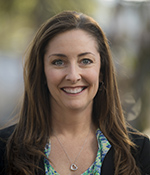
Tiffany O'Meara, Ph.D.
858-249-0030
|
Taming Anxiety
Manage stress, tame anxiety, and work on your well-being. This is a CBT (cognitive-behavioral therapy) group to learn how to better manage stress and anxiety. Topics covered include how to identify and change anxious thought patterns, reducing worry and avoidance, managing panic, improving sleep, and increasing well-being. Each week students will learn effective strategies that they can immediately apply to help tame anxiety.
The Taming Anxiety Group is not running in Fall quarter. If you are interested in joining in Winter '27, please send an email to Dr. Tiffany O'Meara, Ph.D. at tmomeara@health.ucsd.edu.
|
|
Tiffany O'Meara, Ph.D.
858-249-0030
|
Building Social Confidence
Would you like to improve the quality of social interactions and the availability of social support? This group focuses on identifying fears related to social situations, reducing self-defeating coping patterns and strengthening effective social skills. It combines an educational and support approach. Topics covered are tailored for each group, and have included building conversation skills (how to start, sustain, and end conversations), assertiveness training, how to speak up in class, and how to reduce anxiety in social situations such as dating, parties, or professional meetings.
The Fall group is already filled. If you are interested in joining in the Spring '27, please send an email to Dr. Tiffany O'Meara, Ph.D. at tmomeara@health.ucsd.edu or fill out the online request form to be added to the group interest list.
|
|
Tiffany O'Meara, Ph.D.
858-249-0030
|
Advanced Building Social Confidence/ Advanced Anxiety
This is a group for students who have completed one quarter of the Building Social Confidence OR Taming Anxiety group and would like to continue to work on reducing anxiety, increasing comfort in social situations and increasing their self-confidence. Students get more individualized attention in this group, and topics are dictated by the group members. Come share your own experiences and challenges, and get feedback and support from a caring group of students who share similar experiences. Once you've completed one BSC or TA group, you may join the Advanced group at any time while you are here at UCSD!
Contact Dr. O'Meara at tmomeara@health.ucsd.edu for more information.
|
|
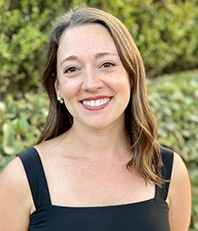
Allie Wagner, Ph.D.
|
Body Image Group
This is a group to create space for understanding the many factors that influence our relationship with our bodies and to find different strategies for moving toward healing with your body. It uses evidence-based techniques to change the way you think about, feel about, and interact with your body.
This group is not running Fall '26. This group is for students who are already in the SHW ED Treatment Program. For more information contact your CAPS Therapist.
|
|
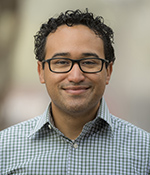
David Diaz, Ph.D.
858-249-0030
|
Building Social Skills Group
The Building Social Skills group is for motivated young adults who are interested in making friends & building relationships. Students make a commitment to attend weekly 90-minute group sessions in an academic quarter. Participants learn social skills & practice these skills during group socialization activities!
FALL 2026
- Wednesdays, 10:30 a.m. – 12 p.m.
- Location: Marshall College - Coalition Building
- Contact Dr. Diaz at dadiaz@health.ucsd.edu to express interest in participating in this group.
|
|
Allie Wagner, Ph.D.
|
DBT Skills Group
This group is focused on learning tangible skills for increasing awareness of the present moment, understanding and changing emotional experiences, and tolerating distress without using eating disorder behaviors.
This group is not running Fall '26. This group is for students who are already in the SHW Eating Disorders Program. For more information, contact your CAPS therapist.
|
|
Allie Wagner, Ph.D.
|
Meal Support Hour
This group is focused on providing a safe and supportive space for those in recovery from an eating disorder to build community as we share a meal. Bring your own meal.
This group is not running Fall '26. This group is for students who are already in the SHW Eating Disorders Program. For more information, contact your CAPS therapist.
|
|
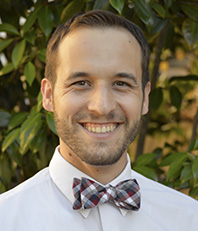
Michael McGlenn, Psy.D.
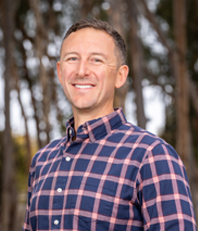
Tim Stempel, LCSW
|
ACT for Chronic Pain Group
Do you have long-standing chronic pain that is getting in the way of you participating in life? People who have chronic pain often try all sorts of methods to make their pain go away, only to feel stuck in a discouraging and futile struggle that causes their life and what’s important to them to take a back seat to the pain of the day. In this 8-week therapy group, participants will learn evidence-based skills to develop a healthier relationship with their pain, so that they can live a fuller and more meaningful life.
This group is not running in Fall '26, but please contact Jacqui Tejada (jtejada@health.ucsd.edu) or Tim Stempel (tstempel@health.ucsd.edu) for more information.
|
What are Community Connections like?
NOTE: These meetings are not professional counseling. If you would like professional counseling or mental health treatment, please call the CAPS Central Office or go to our Getting Started page to arrange an appointment.
In accordance with applicable Federal and State law and University policy, the University of California does not discriminate, or grant preferences, on the basis of race, color, national origin, religion, sex, disability, and/or other protected categories.
Review Proposition 209.
Learn more about the University of California Anti-Discrimination Policy.